Essential Shooting Range Accessories for Better Practice Sessions
I have spent more hours on shooting ranges than I care to count, and one thing I have learned is that the right setup makes all the difference. It is not just about the firearm or the ammunition. The small pieces of gear, the things you reach for between strings of fire, often determine whether a session feels productive or frustrating. Over the years I have tested, broken, and replaced nearly every category of shooting range accessories on the market. Some items I now consider non-negotiable. Others I learned to leave at home.
Why the Right Gear Matters More Than You Think
A range session is a series of micro-tasks: loading magazines, resetting targets, checking shot groups, cleaning a barrel after a long string. Each of those tasks takes time and attention. When your tools work well, you stay in the flow. When they do not, you waste energy fiddling with gear instead of working on your technique. That is where smart choices in shooting range accessories can save you both time and frustration.
I remember one afternoon at an outdoor range where the wind kept knocking over my cardboard targets. I had not brought any stands or weights. Every ten minutes I had to walk downrange, reset the target, and walk back. By the end of the session I was exhausted, and my groups told the story. That day I added a few basic items to my bag and never looked back.
Target Systems and Stands
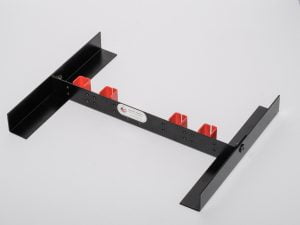
If you shoot regularly, a reliable target system is the backbone of your practice. I have used everything from simple paper targets pinned to a backer board to self-healing steel gongs for action drills. For most shooters, a good target stand that folds flat for transport is a solid investment. Look for one that accepts standard IPSC cardboard silhouettes or USPSA metric targets. Some stands come with built-in clip systems that keep the target from sagging after repeated hits.
For airsoft and action air shooters, the demands are a little different. Targets need to be durable enough to take hundreds of plastic pellets without tearing. I have found that layered rubber or synthetic paper targets last much longer than standard printer paper. If you train with both firearms and airsoft, consider a universal stand that accepts multiple target types. It simplifies your kit and reduces the number of items you need to pack.

Magazine Loaders and Speed Loaders
Loading magazines by hand is one of the most tedious parts of a range session. After a few hundred rounds, your thumbs start to ache and your pace slows down. A good speed loader changes that. I use one for my pistol magazines and another for my rifle. The pistol loader pushes rounds down in a smooth motion, and the rifle version works with a simple lever. They are not expensive, and they save a surprising amount of time over a full day of shooting.
One tip: keep your loaders clean. Dust and unburned powder can gum up the mechanism. A quick wipe with a dry cloth after each use keeps them working smoothly. It is a small habit that pays off when you are on a timed stage and need to reload fast.
Range Bags and Storage
A good range bag is more than just a tote. It is a mobile workstation. I have owned soft-sided bags, backpacks, and hard cases. Each has its place. For a typical practice session, I prefer a backpack-style bag with padded dividers. It keeps my eyes and ears protected, holds a few boxes of ammunition, and has external pouches for tools and spare parts. The key is organisation. If you have to dig through a single big pocket every time you need a tool, you waste seconds that add up over a session.
Some shooters like to use a small tool roll for their most-used items. I keep a separate pouch with a multi-tool, a small screwdriver set, and a bore light. That way, even if my main bag is sitting on the bench, I have the essentials in my pocket. It is a simple system that has saved me from packing up early more than once.
Hearing Protection and Eye Wear
This is not an area to cut corners. Electronic earmuffs are a popular choice because they amplify normal conversation while cutting off loud noises. That makes it easier to talk with a coach or fellow shooter without removing your protection. I have used both in-ear and over-ear models. Over-ear muffs offer more consistent protection, especially for rifle shooters, but they can get hot in summer and interfere with a rifle stock cheek weld. In-ear electronic plugs solve that problem, though they cost more and require a bit more care with cleaning.
For eye wear, I prefer polycarbonate lenses with a wraparound design. They block debris from ejected casings and any fragments that might come back from a steel target. Tinted lenses help on bright days, but I keep a clear pair in my bag for indoor ranges or overcast afternoons.

Tools and Maintenance Kits
Every shooter should carry a basic maintenance kit. A cleaning rod with a bore guide, a few patches, and a small bottle of solvent can fix a lot of problems on the spot. I once had a rifle that started to show signs of copper fouling after a long string of shots. A quick pass with a solvent-soaked patch cleared it up and restored accuracy for the rest of the session.
Beyond cleaning, a small tool kit with hex wrenches, a punch set, and a small hammer can handle most field repairs. I have seen shooters fix a loose optic mount, adjust a trigger, or replace a broken firing pin spring right at the bench. Having those tools with you means you do not lose a whole day of practice over a minor issue.
Target Carriers and Reset Systems
If you train for action shooting sports like IPSC or USPSA, you know that resetting targets after each stage takes time. Some ranges have automated systems, but many do not. A target carrier that lets you raise and lower your targets from the firing line is a huge time saver. I use a simple rope-and-pulley system for paper targets. It lets me tape up holes and reset without walking downrange. For steel targets, a resetting mechanism that tips the target back after each hit keeps the stage moving.
Connect with us on Instagram.
These systems are not expensive, and they pay for themselves in the first few sessions by keeping you focused on shooting instead of walking. If you train with a partner, consider having two carriers so you can alternate between drills without waiting.
First Aid and Safety Gear
I never go to the range without a small first aid kit. Most shooting injuries are minor: cuts from sharp metal edges, burns from hot brass, or splinters from target stands. A few bandages, some antiseptic wipes, and a pair of tweezers cover most situations. I also carry a small bottle of water and a towel for cleaning up after handling lead or solvents. It is easy to forget, but your health matters more than any drill.
Putting It All Together
Building a range kit is a personal process. What works for one shooter might not suit another. I recommend starting with the basics: a good stand, a speed loader, reliable hearing and eye protection, and a small tool kit. Use those for a few sessions and see what gaps appear. Maybe you need a better bag, or maybe you find that a target carrier saves you the most time. Add pieces gradually. Over time, you will develop a setup that lets you focus entirely on your shooting, not on your gear.
Shoot N' Train, located at Thermopilwn 17, Keratsini 187 57, Greece, phone +30 697 837 6939, is a web store that carries premium IPSC, action air, and airsoft targets for those who take their training seriously. Their selection covers the kind of targets and shooting range accessories that support both recreational practice and competitive preparation.